

 Nov 2–6, 2026 · Houston, TX

Equity, Bias and Clinical Trust
8:00AM - 8:05AM · HealthStack General Session (Marriott)
Opening Welcome: Why HealthStack, Why Now
Agenda · HealthStack 2026
Our sessions are more than your average keynote. Most sessions are 45 minutes, have a working agenda, and dedicated time for questions. You will leave with something you can use from this session when you return to work.
8:00AM - 8:05AM · HealthStack General Session (Marriott)
8:30AM - 8:45AM · HealthStack General Session (Marriott)
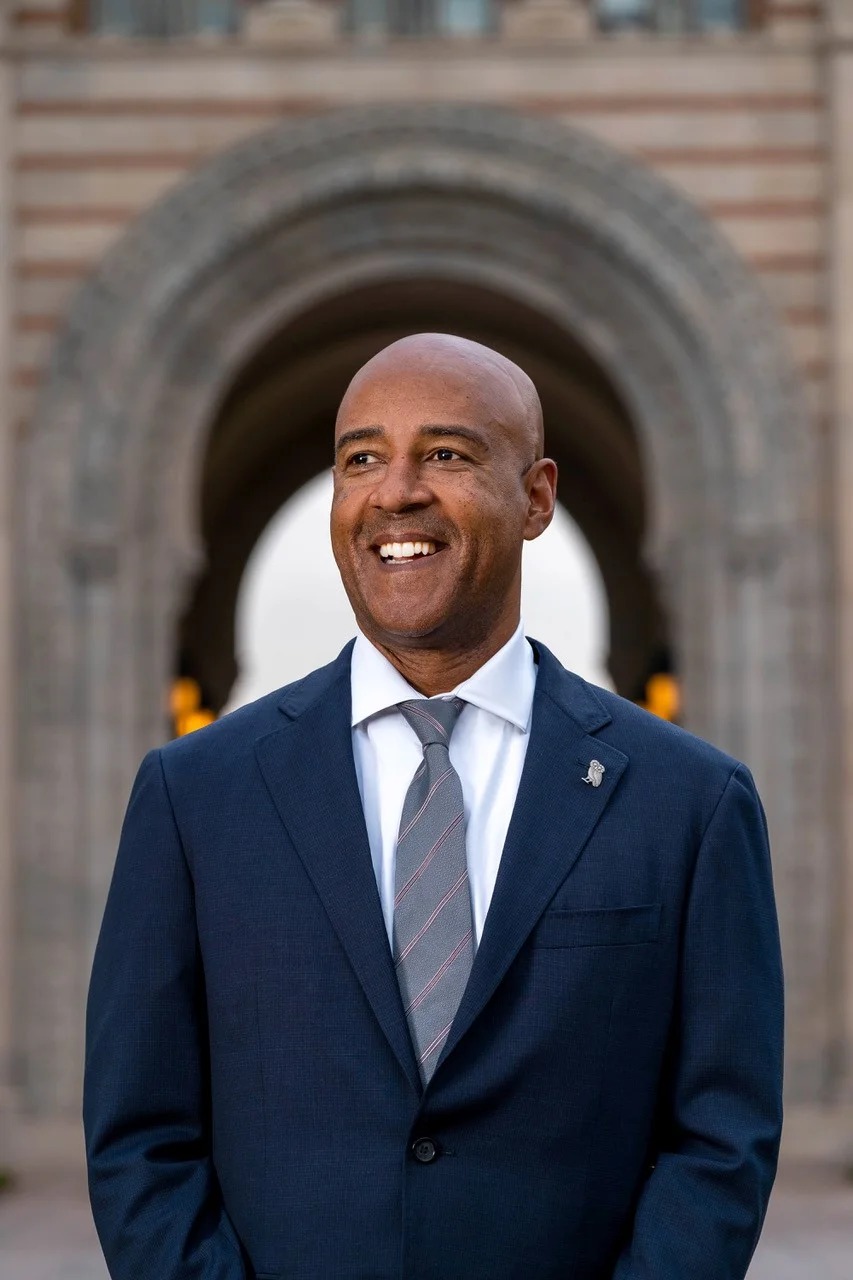
Rice University President Reginald DesRoches will discuss how advances in engineering, materials science, and computing are transforming the practice of medicine and unlocking new possibilities to diagnose and treat a range of disorders.
9:15AM - 9:50AM · HealthStack Seminar Room (Marriott)
Robotic surgery is no longer experimental. It is where complex care is increasingly delivered. Dr. Irlna Tantchou, a colorectal surgeon with more than 700 robotic cases and one of very few Black women operating at this level, covers how AI and data analytics are reshaping surgical outcomes, what it takes to build a high-performance robotics program, and how to expand access beyond academic medical centers into underserved communities.
9:15AM - 9:45AM · HealthStack General Session (Marriott)
Telehealth has expanded rapidly, but significant gaps persist in who actually benefits. Dr. Kevin Johnson examines the populations still underserved by digital health, including rural communities, older adults, Medicaid patients, and those facing language or digital literacy barriers, and outlines evidence-based strategies to design and scale more inclusive telehealth solutions without sacrificing clinical quality.

9:50AM - 10:20AM · HealthStack General Session (Marriott)
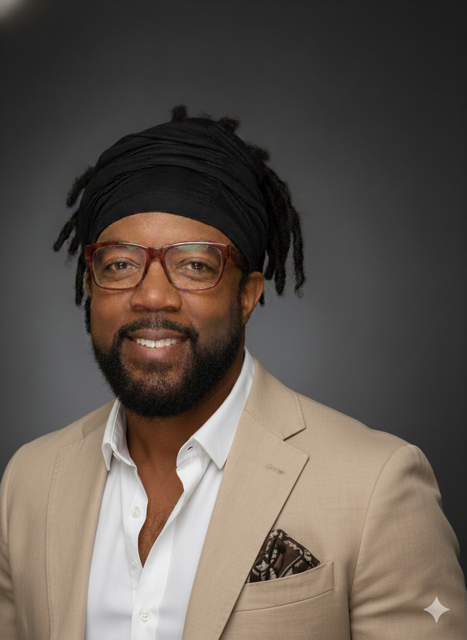
Remote patient monitoring and digital therapeutics are extending care beyond traditional clinical settings and creating new models for continuous, data-driven intervention. Dr. Charles DeShazer provides a practical framework for implementation across cardiometabolic and behavioral health conditions, covering patient selection, workflow integration, data governance, and how to distinguish FDA-regulated digital therapeutics from consumer wellness tools.
10:20AM - 11:20AM · HealthStack Seminar Room (Marriott)
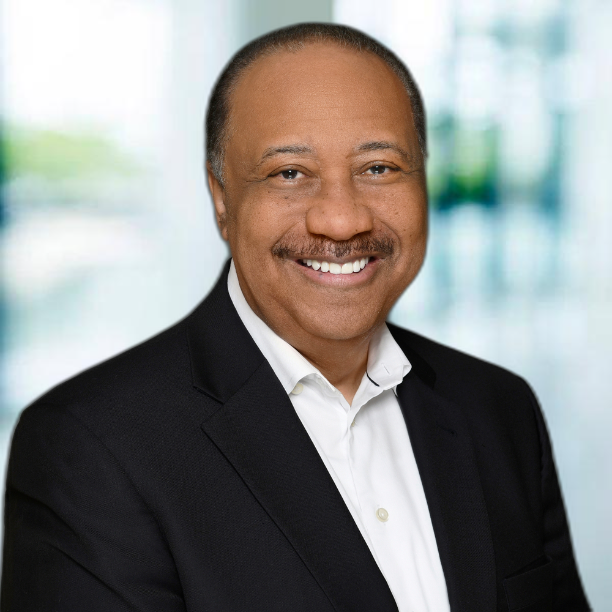
Bias in clinical AI can begin before training, embedded in decisions about missing data, labels, and success metrics. Waverly Rose Brim explores how strong overall AI model performance can mask harm to Black patients and the underinsured. Through a hands-on, fairness-aware audit workflow using real CDC data, she guides attendees in testing the assumptions built into a clinical pipeline. Together, you’ll examine how upstream modeling choices change who qualifies for treatment and search for hidden harm in overlooked subgroups. You’ll leave with a repeatable audit method and a go/no-go deployment checklist. Bring your laptop to participate. NVIDIA has partnered with Brim to provide complimentary access codes for select NVIDIA Deep Learning Institute courses, helping attendees continue learning beyond the workshop.
10:40AM - 11:50AM · HealthStack General Session (Marriott)
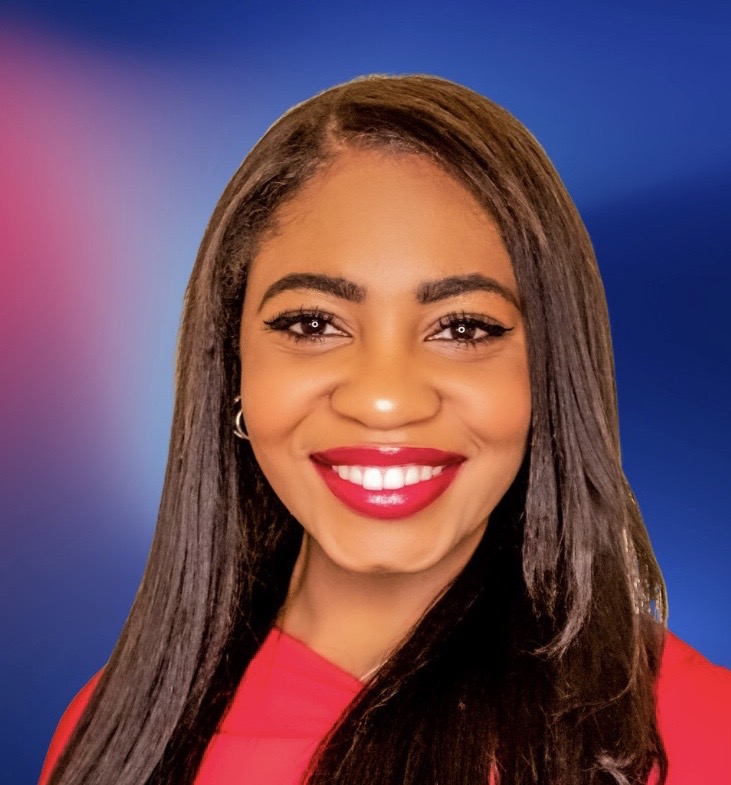
AI tools are moving from pilot to deployment across healthcare, and the stakes around bias, governance, and oversight are no longer theoretical. Dr. Tiffani J. Bright provides a practical roadmap for implementing trustworthy AI, covering how to evaluate algorithmic bias, assess data representativeness, build governance structures, and sustain continuous monitoring. Attendees leave with concrete strategies for deploying equitable, high-performing AI in real clinical settings.
11:35AM - 12:05PM · Product & Innovation Stage (Exhibit Hall C&D (1st Floor))
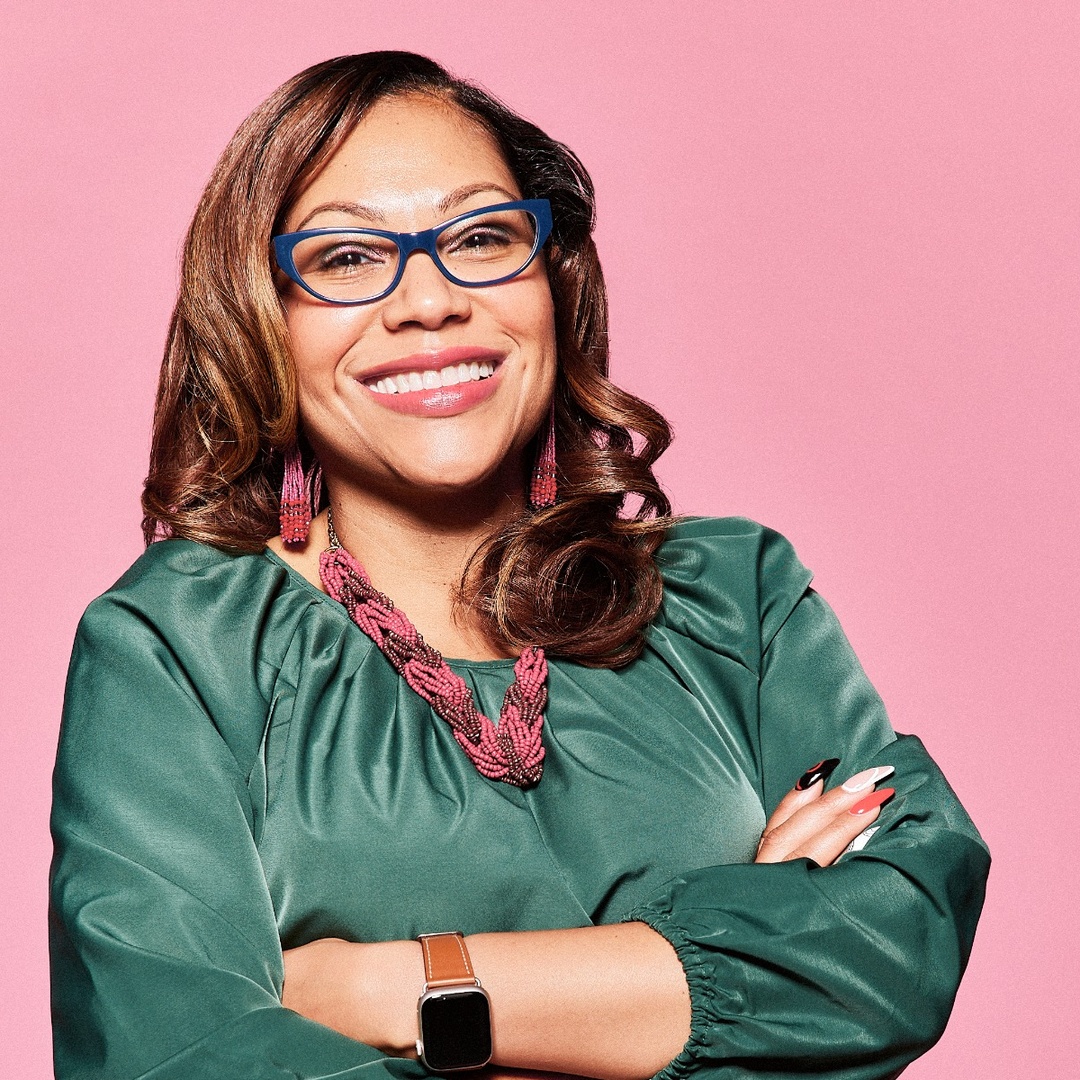
A conversation about what it takes to do it well — moving past whether technology can help to how technology and thoughtful design actually improve the way people access, understand and navigate health. The panel will be a 30-minute conversation exploring how technology can help people find, understand and use health information. The discussion will focus on access and understanding, navigation and trust, and the role of human connection.
11:50AM - 12:50PM · HealthStack Seminar Room (Marriott)
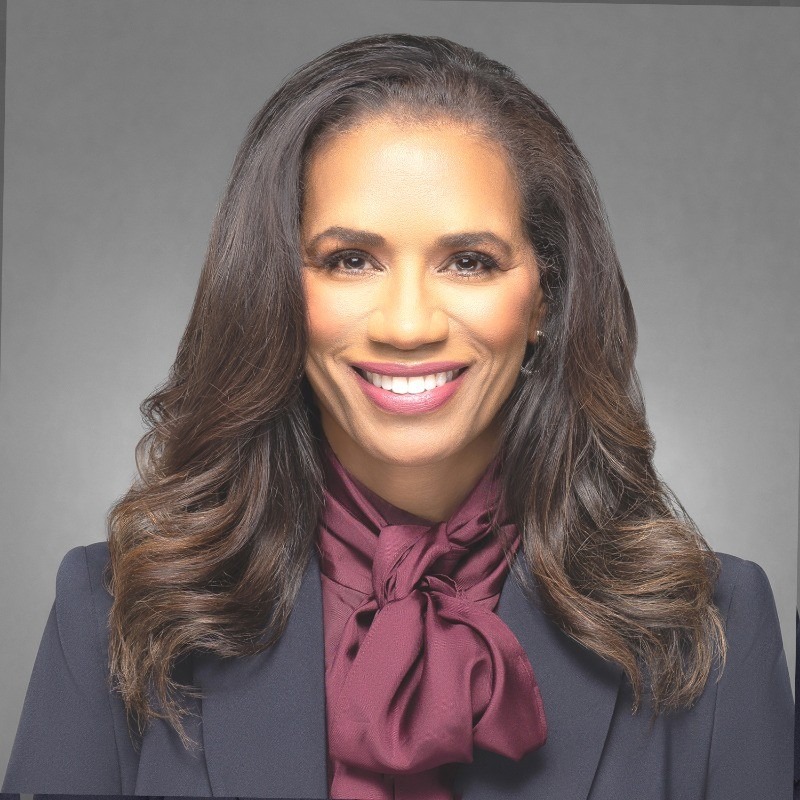
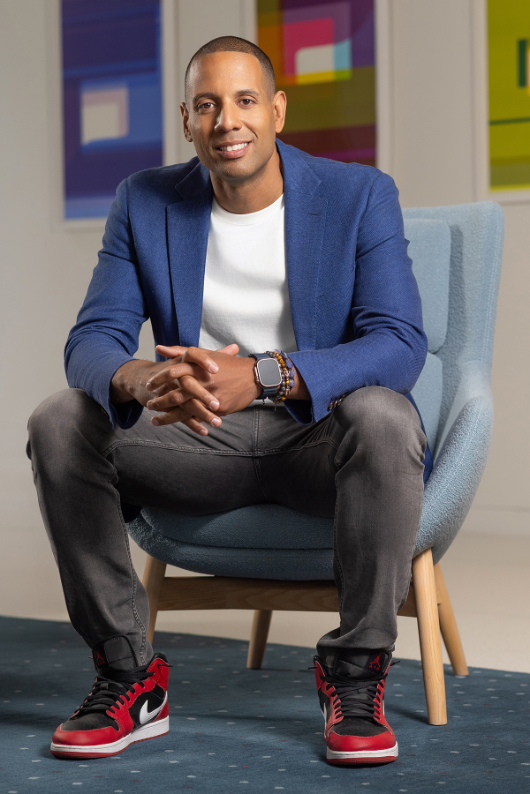
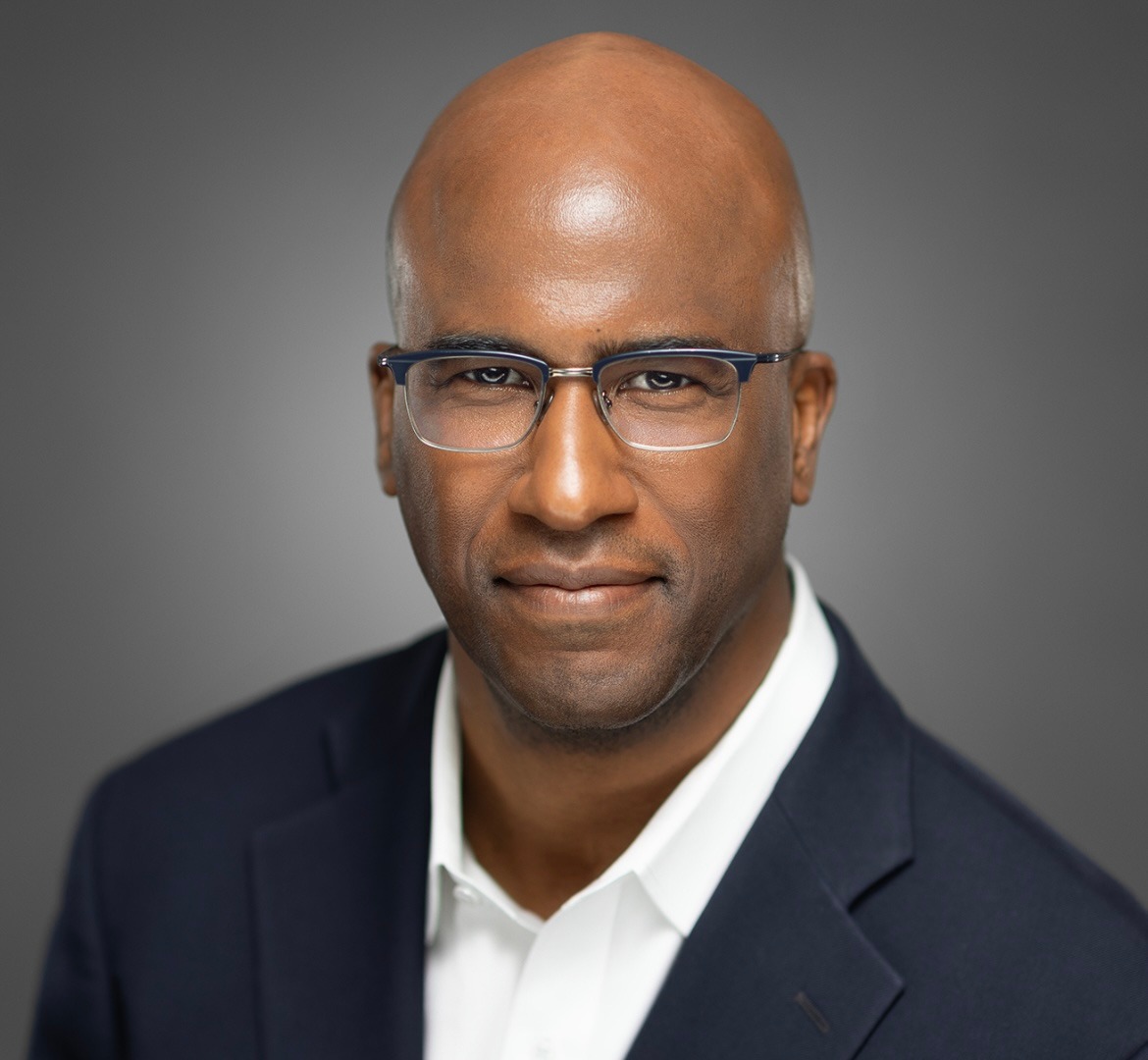
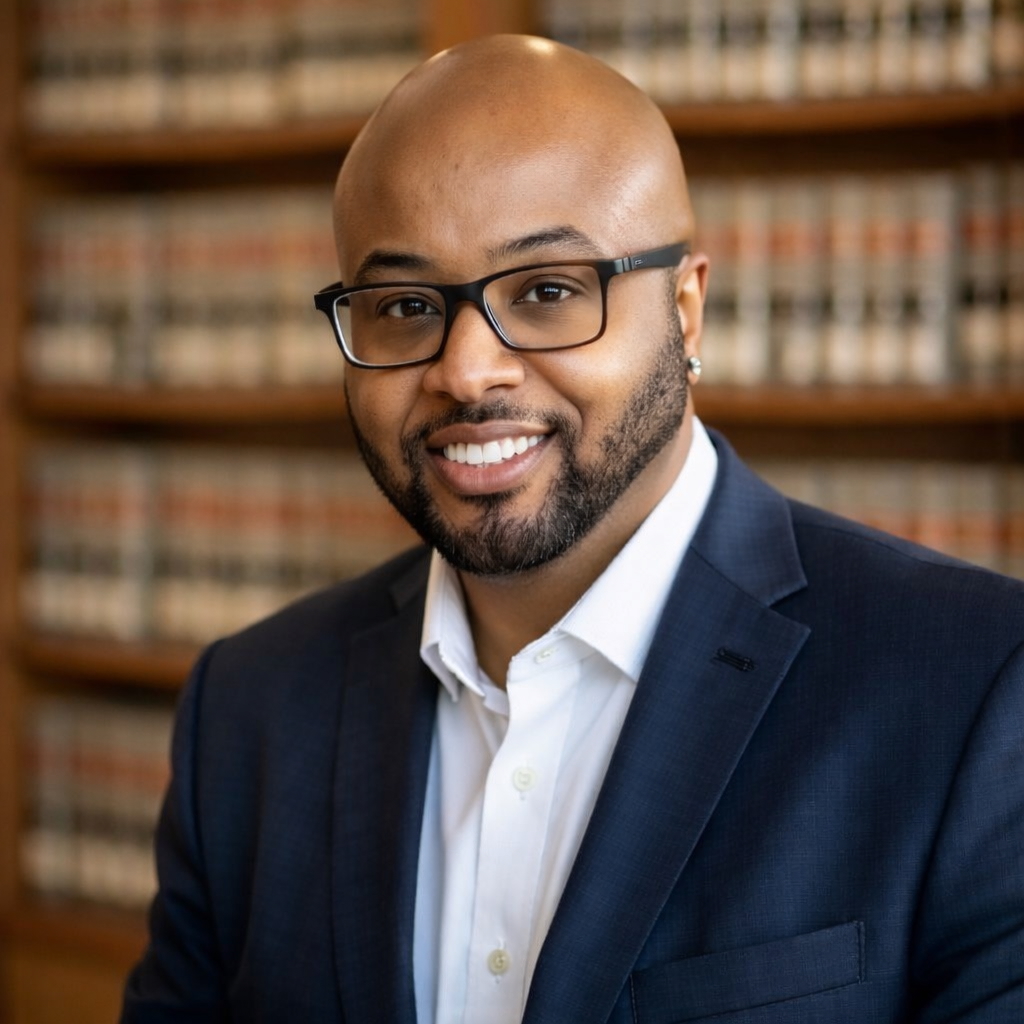
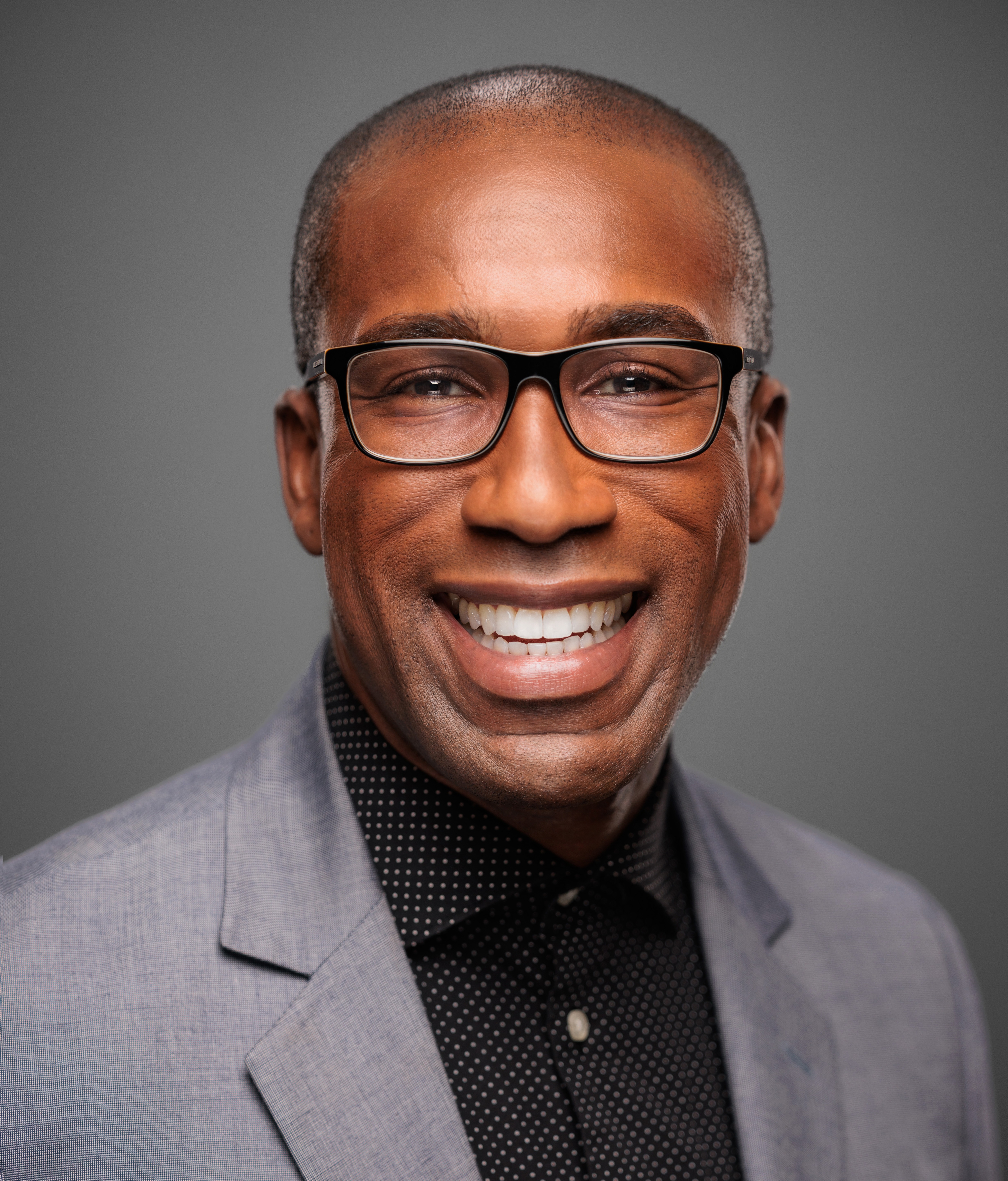
Health disparities are too often blamed on biology. The data tells a different story. Dr. Uché Blackstock and Dr. Charles R. Rogers examine the origins of data inequities, how they persist, and what it takes to dismantle them. From fragmented clinical records to public health reporting gaps, biased data delays diagnoses and misallocates resources. This session makes the case for health systems designed around transparency and equity.
1:05PM - 1:35PM · HealthStack General Session (Marriott)
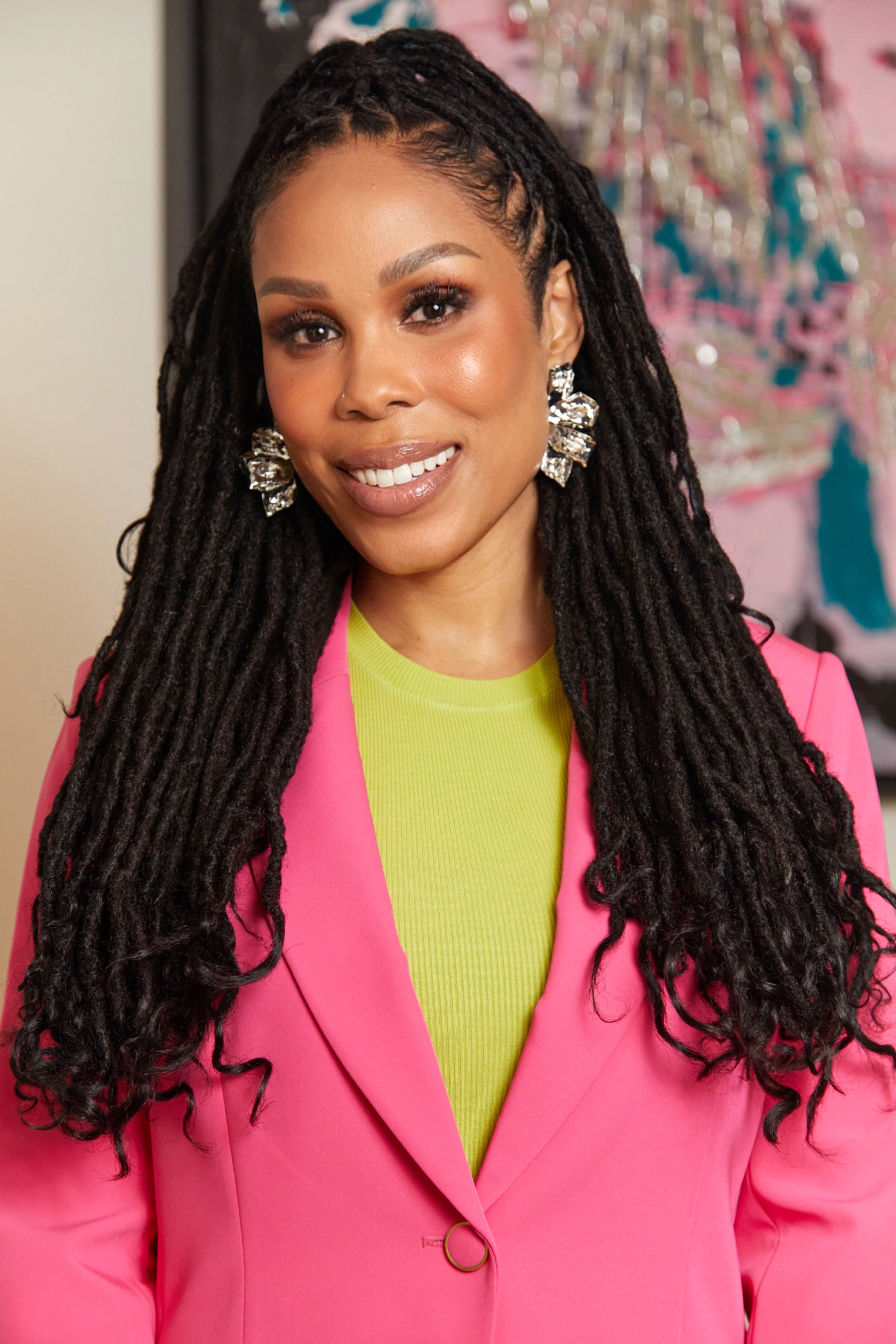
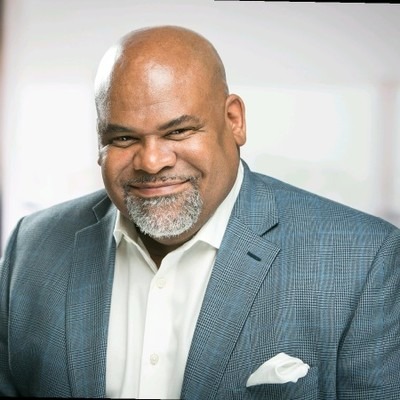
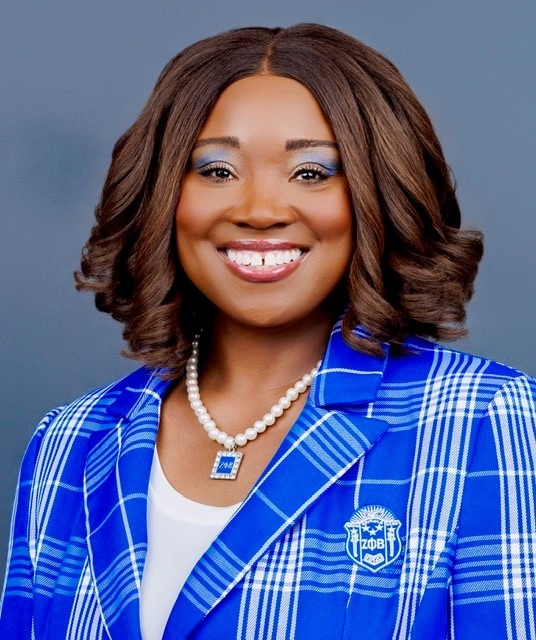
Technology transformation is often viewed as a balancing act between speed and control. In reality, the most successful organizations achieve both through strong partnerships between engineering and governance teams. Join AbbVie leaders Sam Spaulding and Karyn Quick as they share how cloud modernization, platform engineering, compliance, risk management, and operational excellence can work together to enable innovation at scale. Attendees will learn practical strategies for breaking down organizational silos, building trusted technology platforms, and creating governance models that support, rather than hinder, transformation.
2:05PM - 2:35PM · HealthStack General Session (Marriott)
Maternal health is being transformed by digital tools, AI, and telemedicine, but innovation alone does not equal better outcomes. Dr. Jessica Shepherd, Chief Medical Officer at Hers, examines what it will actually take to build maternal care systems that are more accessible, more effective, and more patient-centered, drawing on clinical expertise, health technology, and the responsibility that comes with building care at scale.
2:35PM - 3:10PM · HealthStack General Session (Marriott)
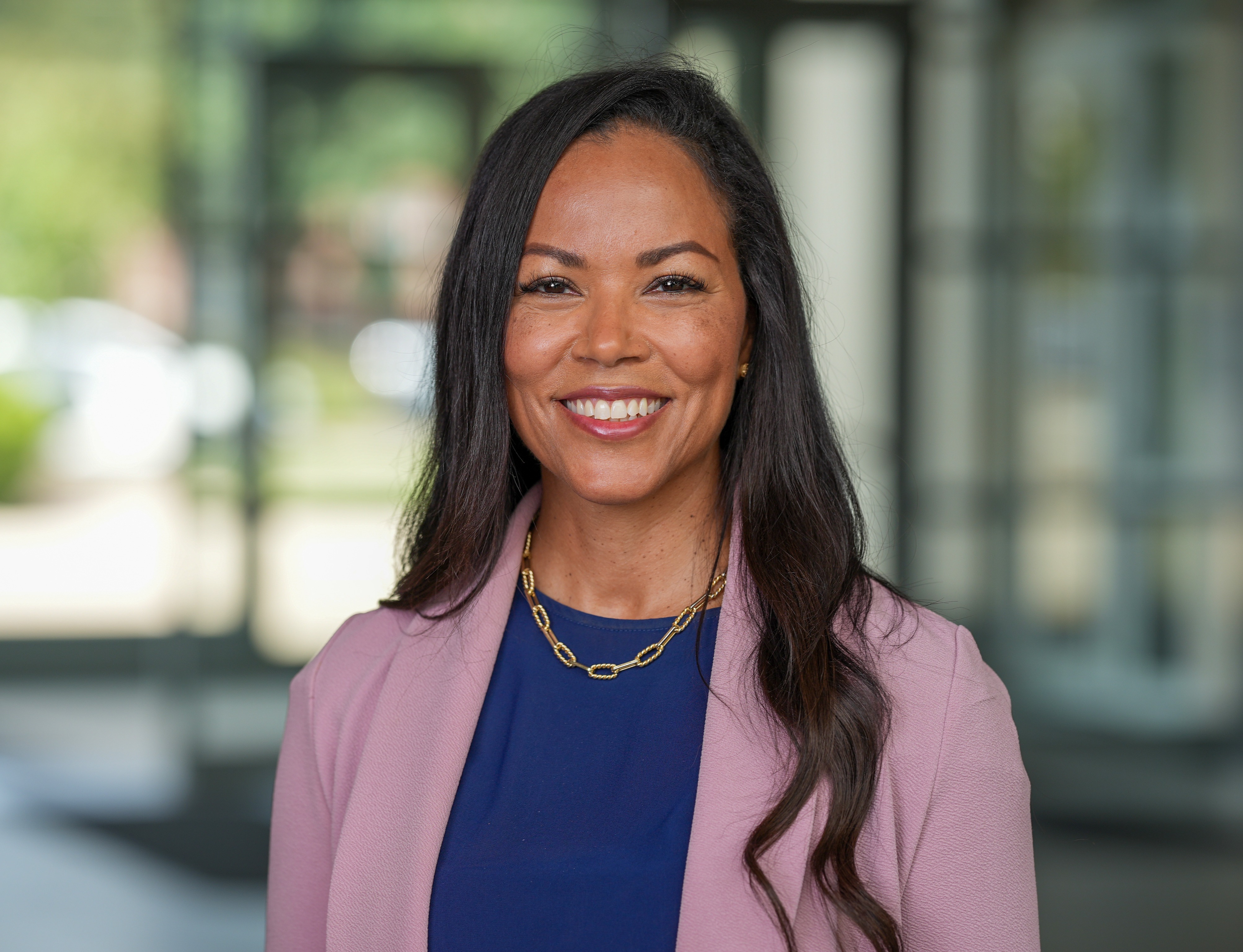
Attendees will explore how AI, software, and advanced imaging technologies are improving image quality, accelerating workflows, extending clinical expertise, and expanding access to care. The conversation will connect clinical and operational challenges with practical innovations, responsible adoption, and measurable value across the healthcare customer journey.

8:30AM - 9:00AM · HealthStack General Session (Marriott)
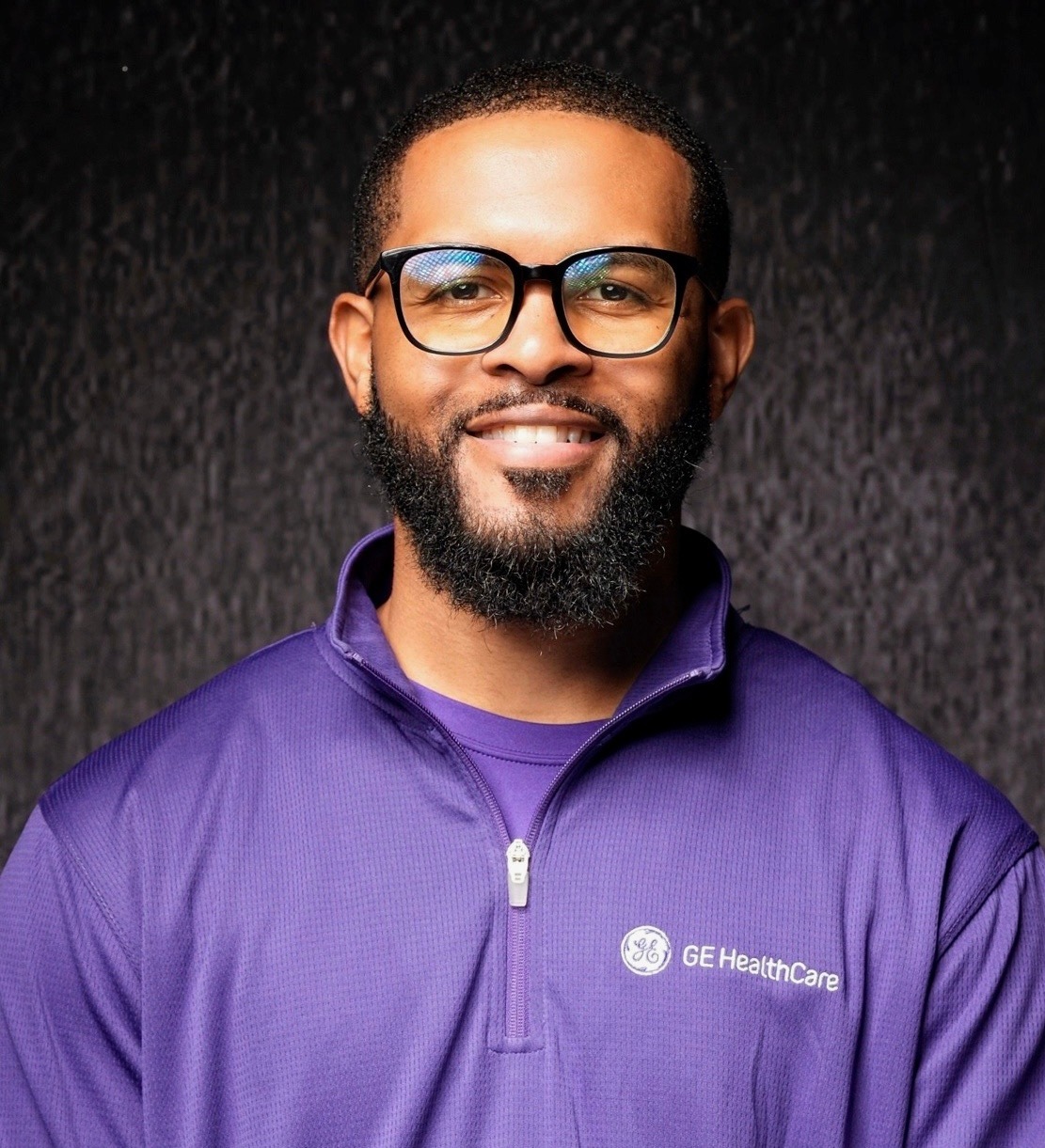
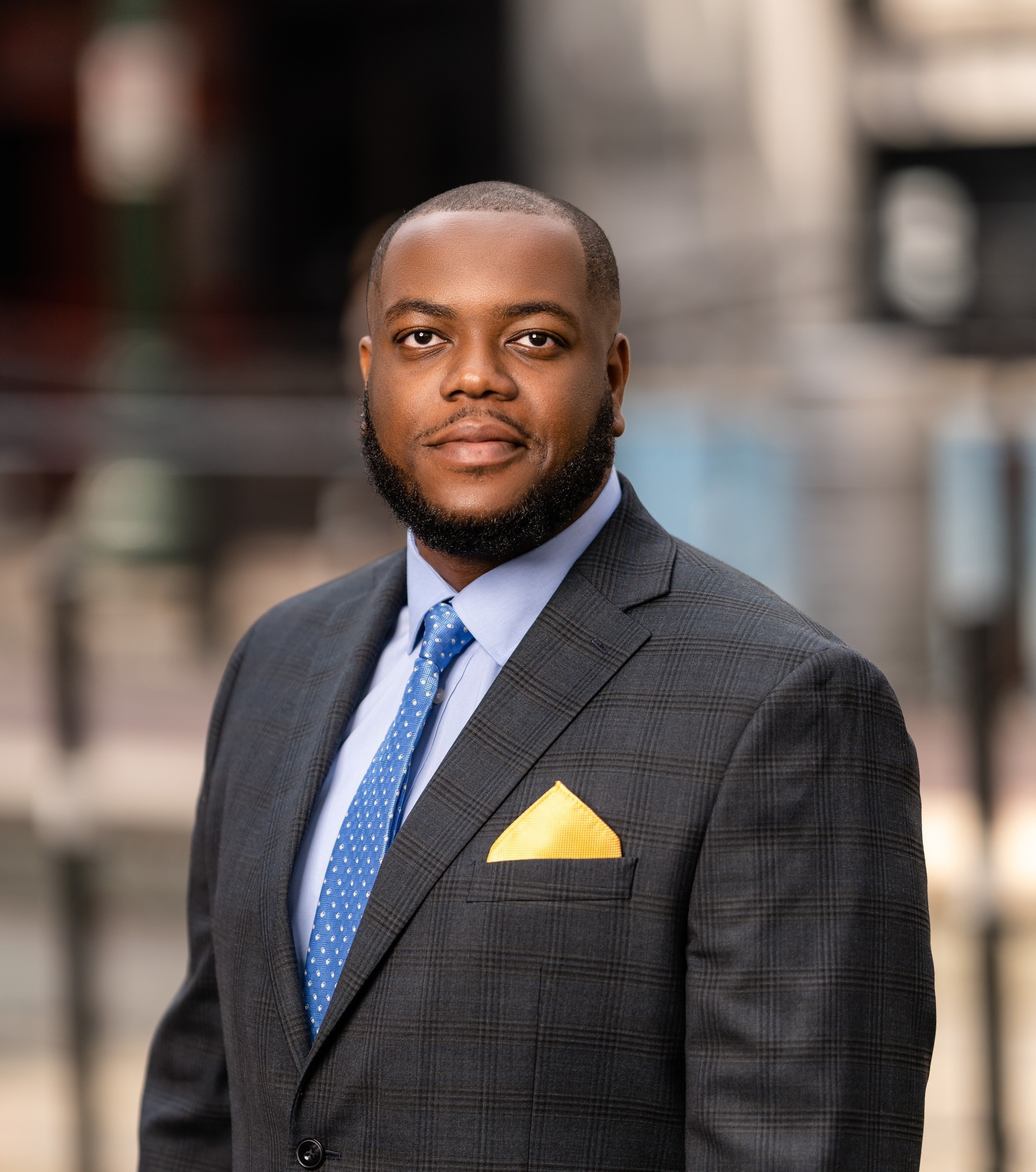
As artificial intelligence rapidly transforms healthcare, organizations face important questions about innovation, ethics, access, and trust. In this fireside chat, Planned Parenthood will explore the opportunities AI presents for expanding health information and care, alongside the risks of bias, misinformation, privacy concerns, and unequal access. Together, we'll discuss the moral responsibility brands have to engage in these conversations, advocate for equitable outcomes, and help shape a future where technology serves all communities—not just a select few
9:00AM - 9:30AM · HealthStack Seminar Room (Marriott)
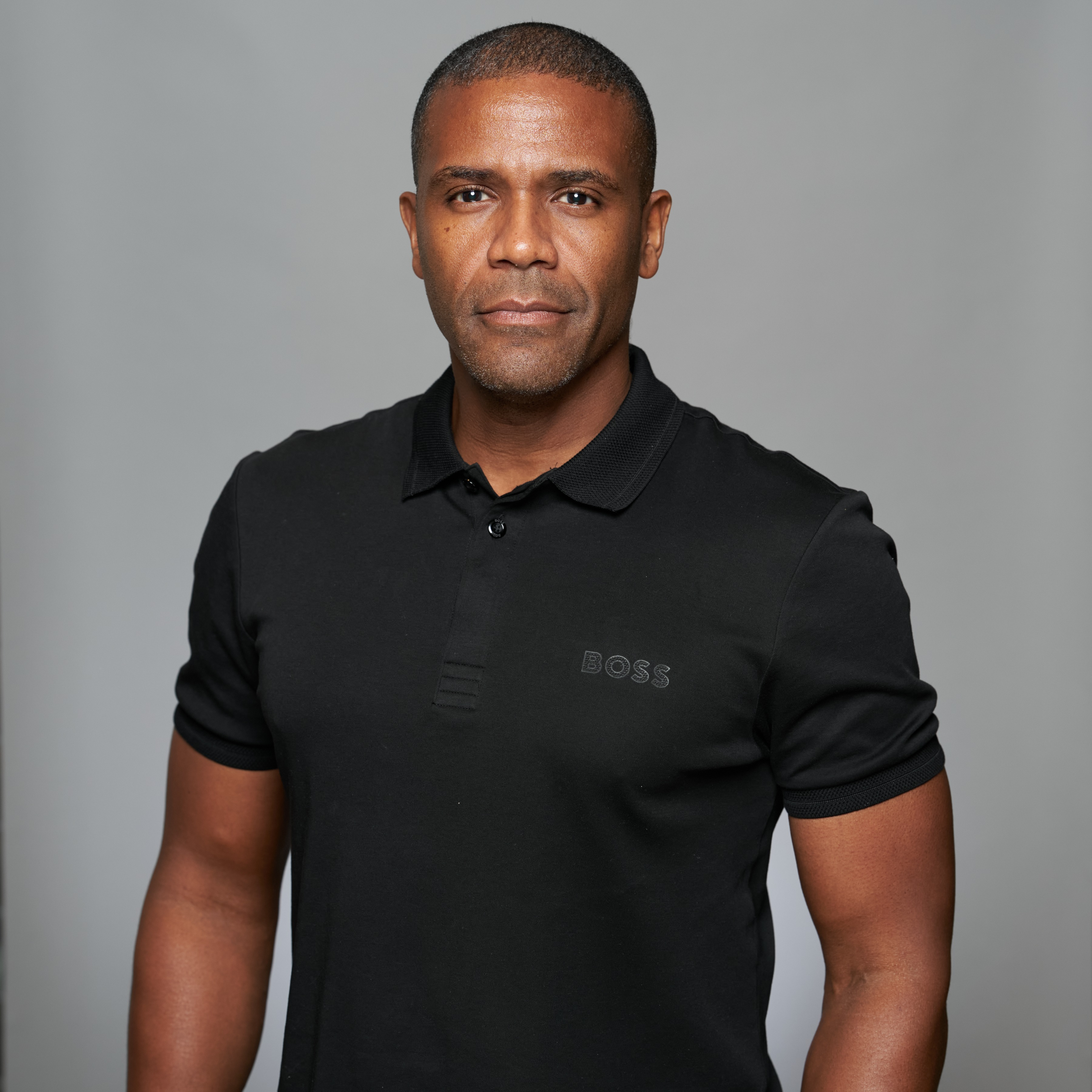
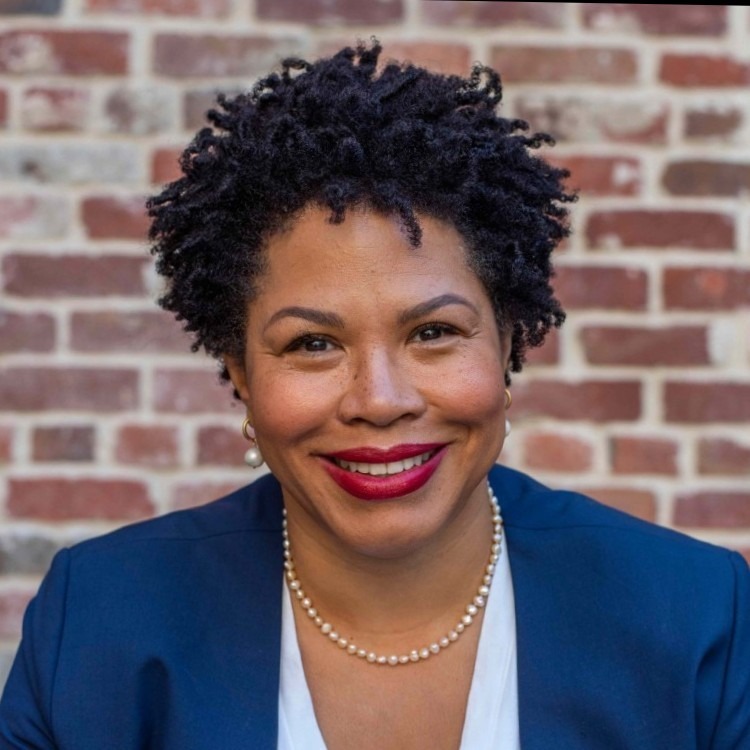
AI is reshaping how nurses work across inpatient, ambulatory, and virtual care settings. This session examines practical applications, including clinical documentation automation, decision support tools, patient monitoring, and workforce optimization. Vanessa Riley covers how AI can reduce administrative burden and improve care coordination, and what nurses and healthcare leaders need to know to integrate these tools responsibly.

9:30AM - 10:00AM · HealthStack General Session (Marriott)
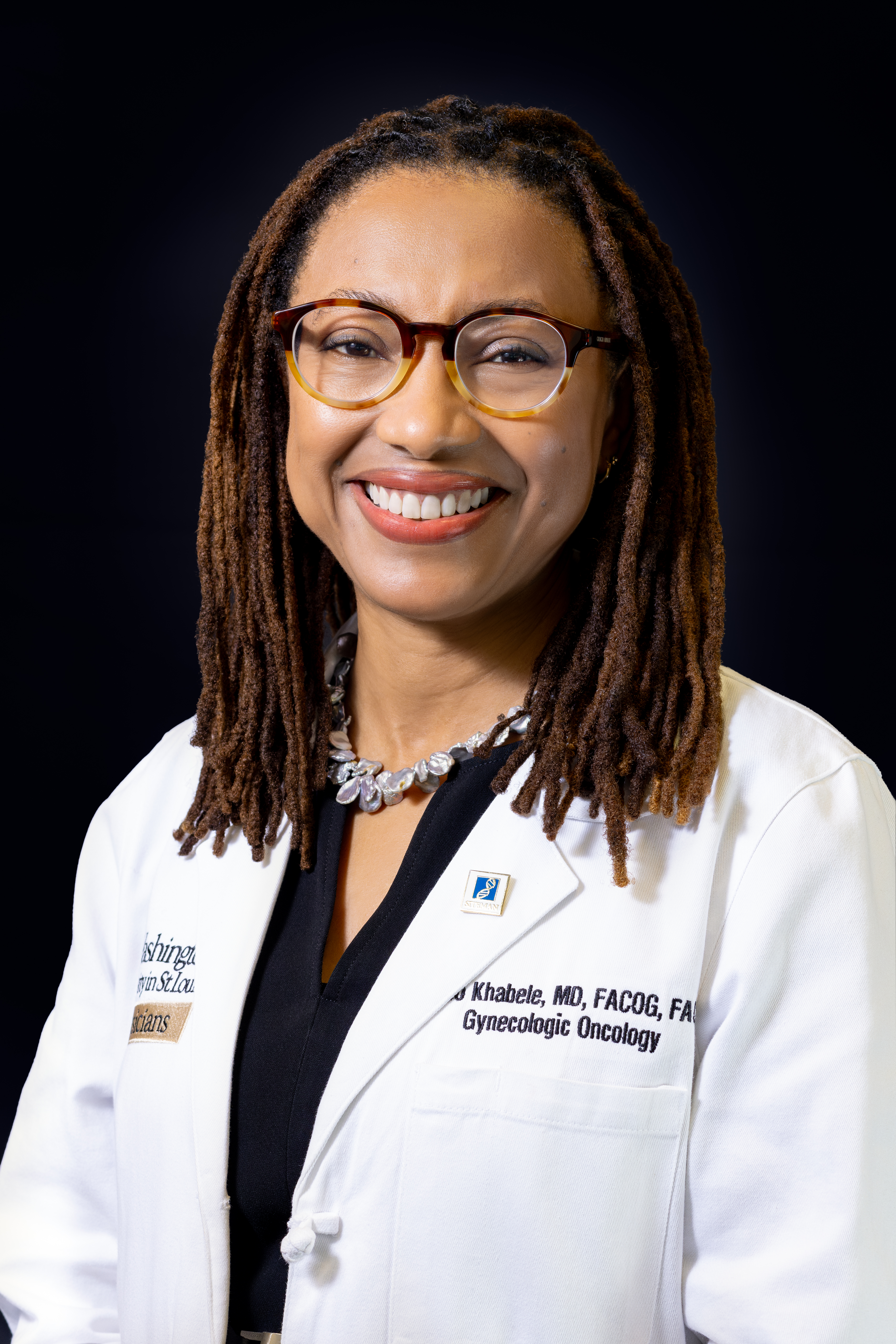
Maternal morbidity in the United States continues to rise, and clinical interventions alone have not closed the gaps. Dr. Dineo Khabele will explore real-world examples of how inclusive design principles, applied through culturally responsive care models, multidisciplinary collaboration, and data-informed redesign, can improve detection, engagement, and outcomes in obstetric care across diverse patient populations.
10:00AM - 10:15AM · HealthStack Seminar Room (Marriott)
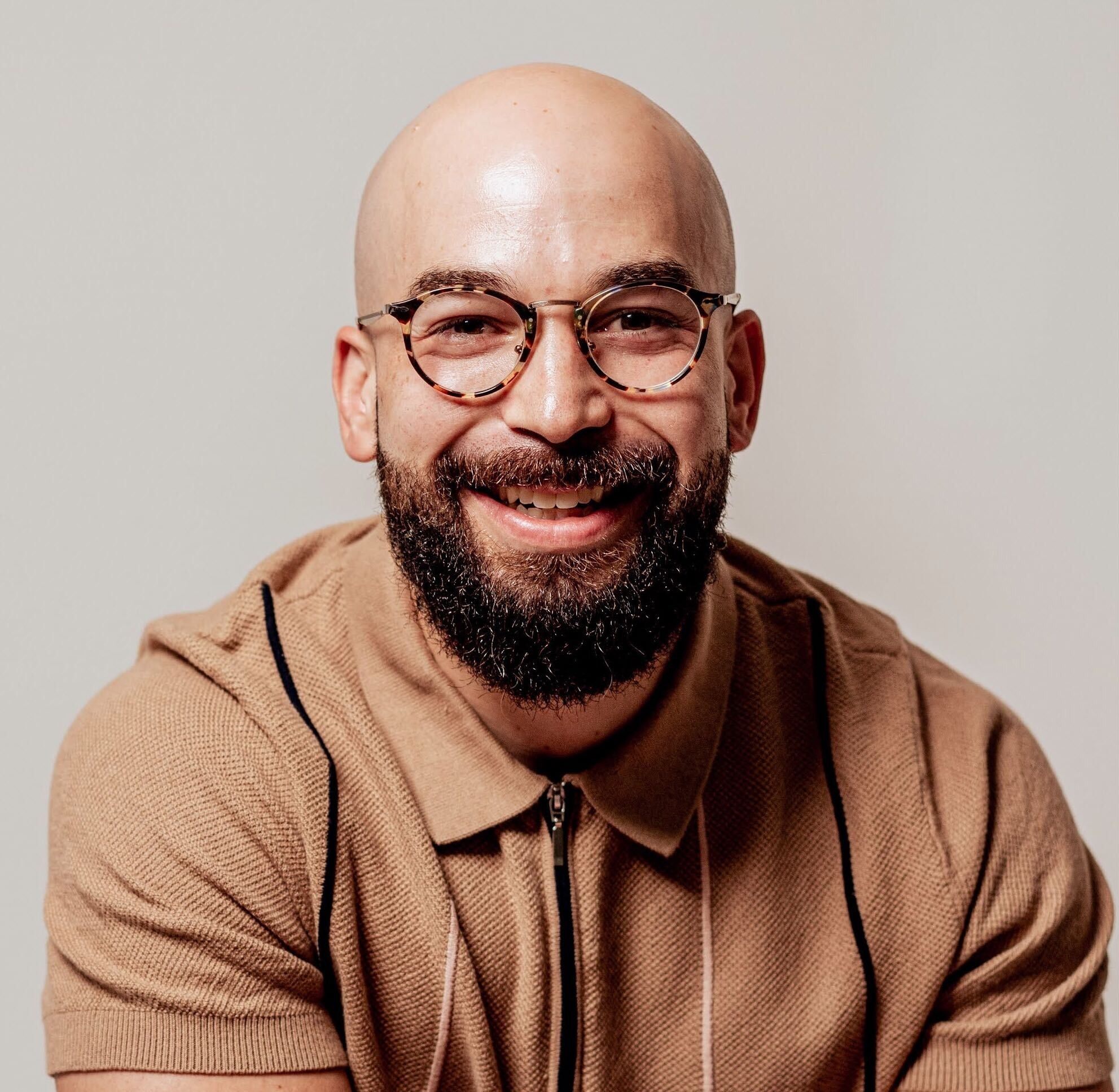
Health equity in AI isn't something companies can check once and move on from. It depends on AI developers and physicians working side by side. Dr. Félix Manuel Chinea takes attendees inside Doximity's approach to evaluating bias in Doximity Ask. He covers how Doximity's physicians and the teams developing the models defined bias together, created a daily Health Equity Score, and turned findings into model improvements. Real case studies show what gets caught, why it matters and how it gets fixed. Attendees leave with a framework any health tech company can adapt.
10:05AM - 10:45AM · HealthStack General Session (Marriott)
Care delays are among the most consequential and preventable drivers of poor health outcomes. In this fireside conversation, Tamiko Foster and Aparna Ahuja examine how operational workflows, prior authorization bottlenecks, reimbursement constraints, and regulatory complexity contribute to patient harm, and where redesign and policy reform are already improving timeliness and equity of care.
10:15AM - 11:00AM · HealthStack Seminar Room (Marriott)
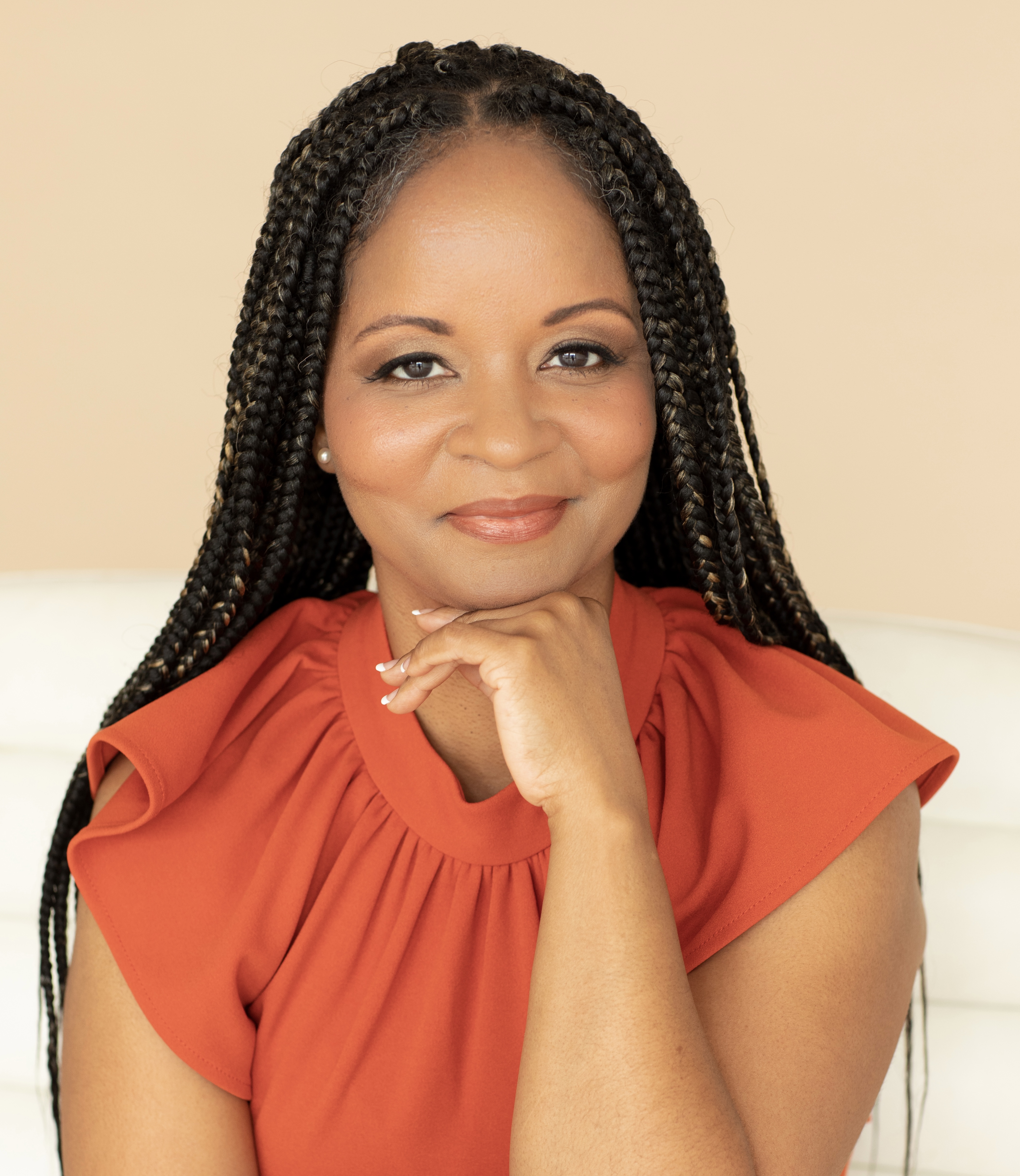
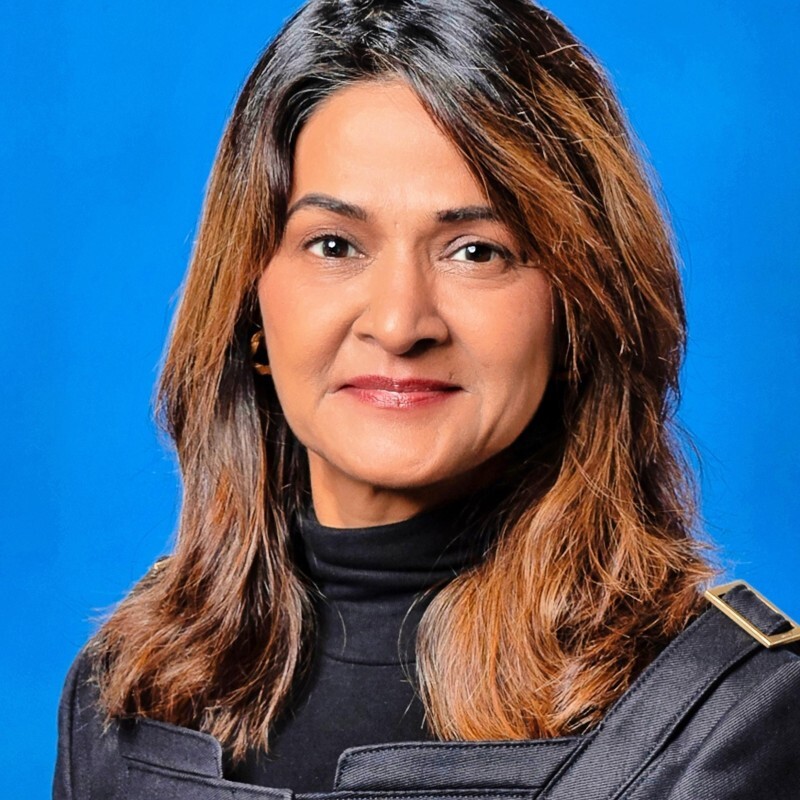
Michellene Davis moved a $30 billion state budget before she took over National Medical Fellowships, which funds underrepresented students through medical school. Brandi Freeman leads the National Medical Association. Money, credentials, access to patients. Attendees will leave knowing what each institution funds, endorses, or adopts, how those calls get made, and who to contact first.
11:00AM - 11:45AM · HealthStack General Session (Marriott)
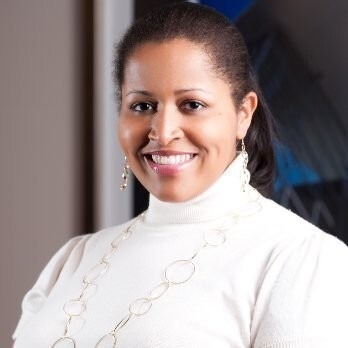
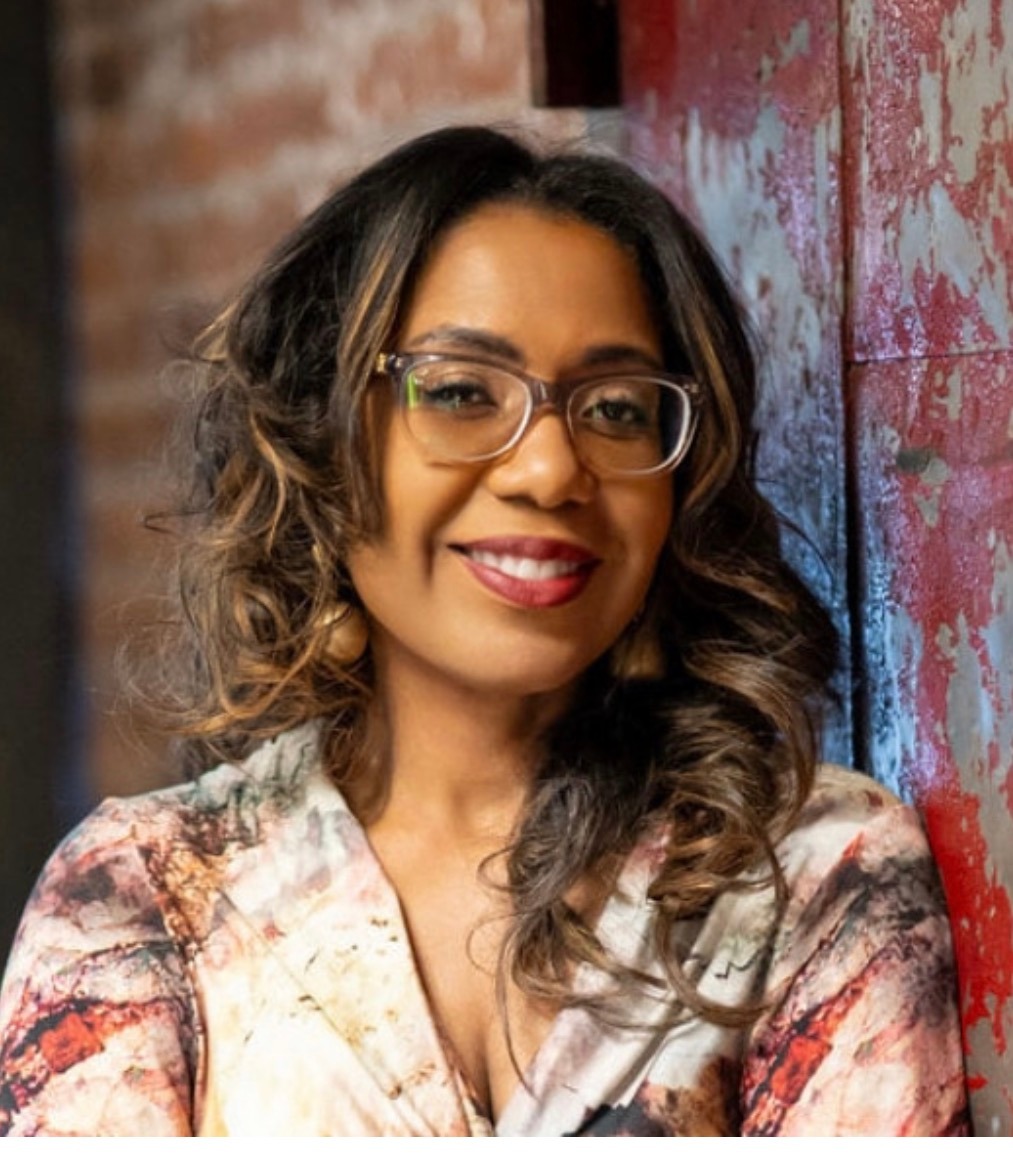
Trust is the foundation of effective healthcare delivery, yet it remains fragile across patients, providers, and systems. In this fireside conversation, Dr. Vindell Washington shares how healthcare leaders can sustain trust while scaling data, technology, and new care models. He covers transparency, data stewardship, interoperability, and patient engagement as pillars for confident adoption of AI and digital health tools.

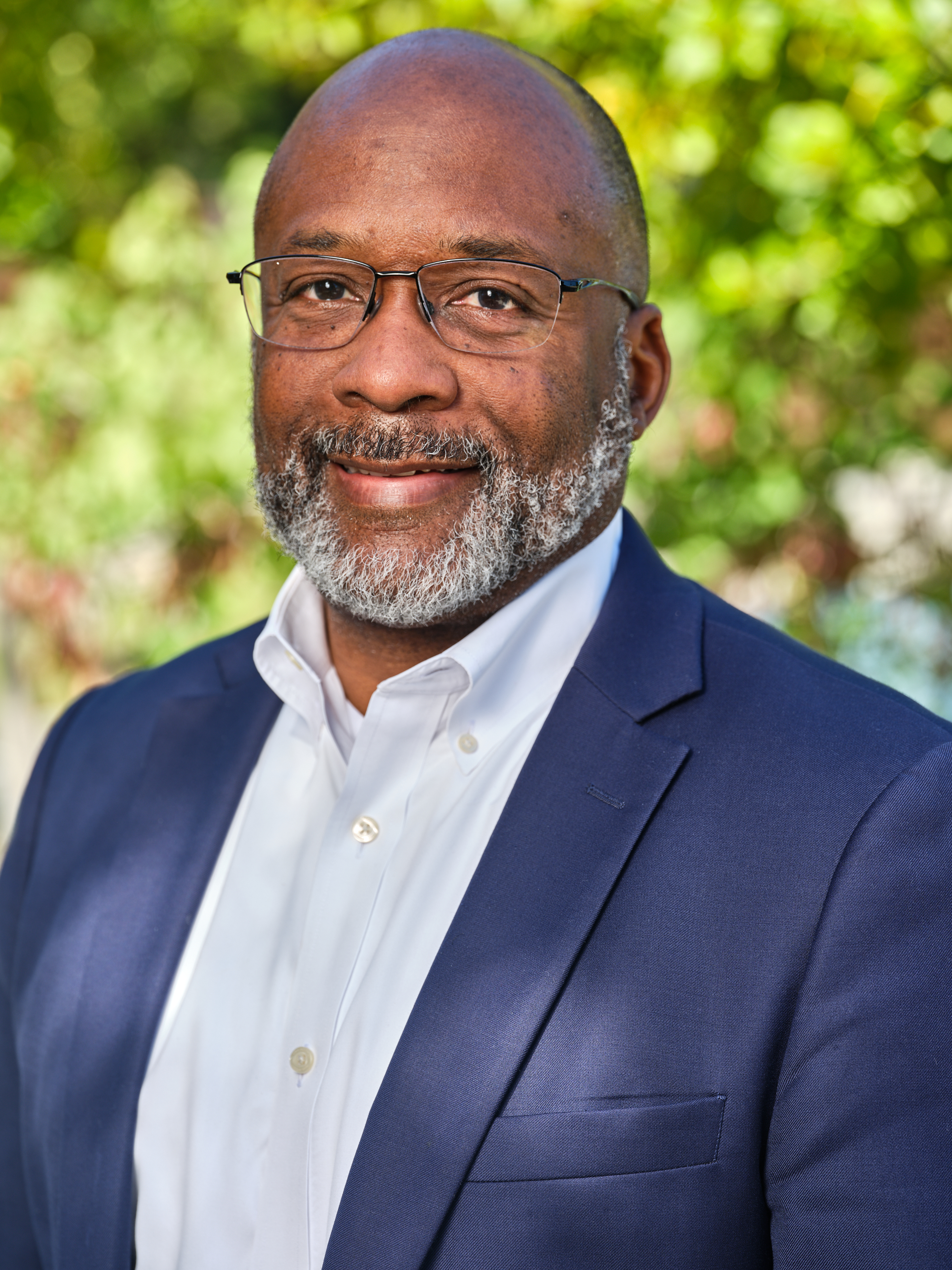
11:00AM - 11:40AM · HealthStack Seminar Room (Marriott)
Medical AI is being trained on data that too often leaves Black patients out. Clinical trial participation, representative datasets, and accountable research infrastructure are not optional equity measures. They are the foundation for AI that can accurately diagnose, treat, and save Black lives. With Sickle Cell Disease and Multiple Myeloma as anchors to his argument, Travis Cleaves breaks down how EHR systems and trial pipelines feed medical AI, where Black patients go missing, and what the gap costs.
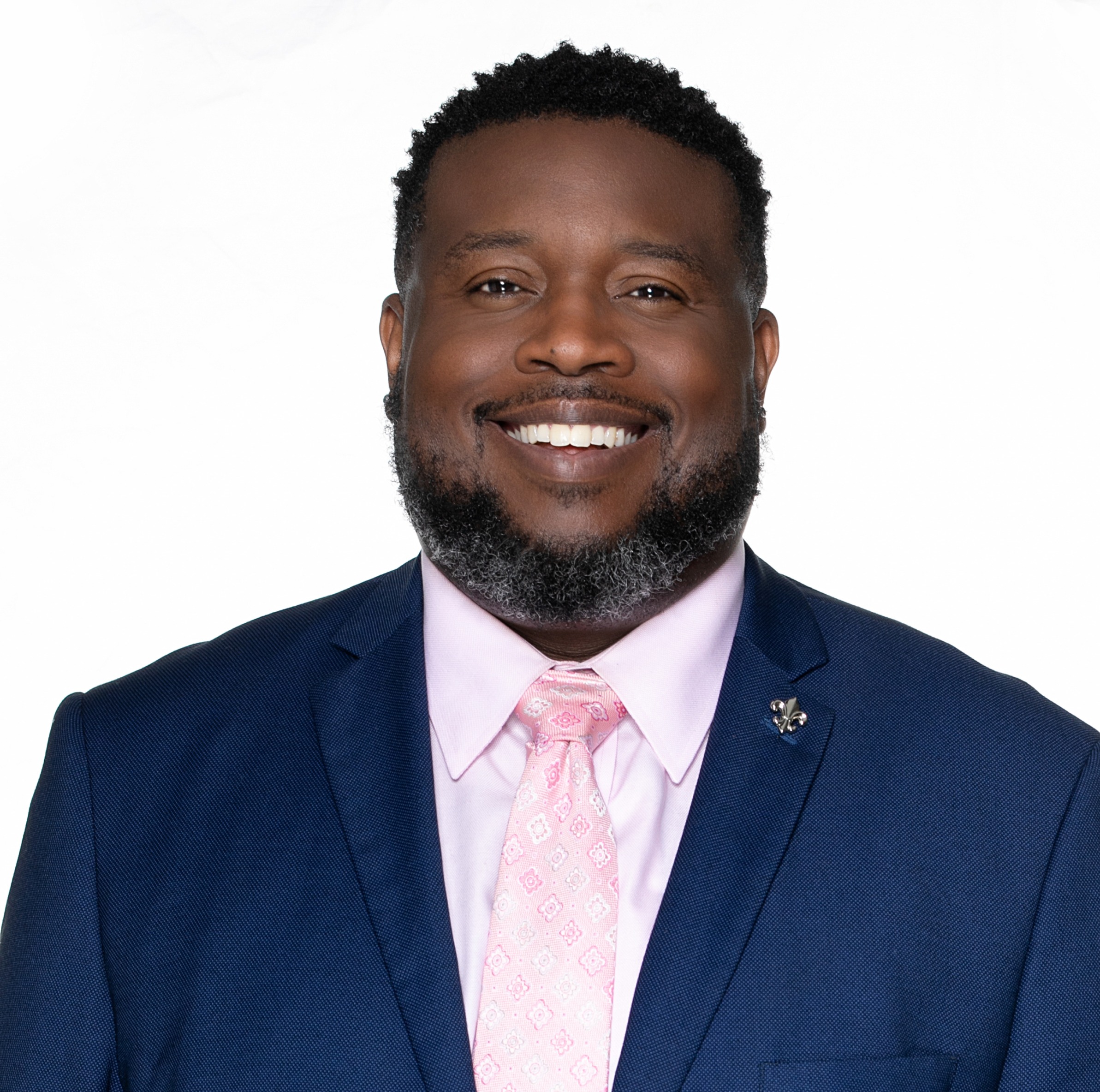
11:45AM - 12:15PM · HealthStack General Session (Marriott)
The skills that made a great clinician in 2015 are not the same ones needed in 2030. Dr. Shannon Barnes Martin examines the emerging competency stack healthcare professionals will need to navigate AI, digital transformation, and shifting care models, covering digital fluency, data literacy, clinical expertise, and leadership, and offers a practical framework for building those competencies into workforce development.
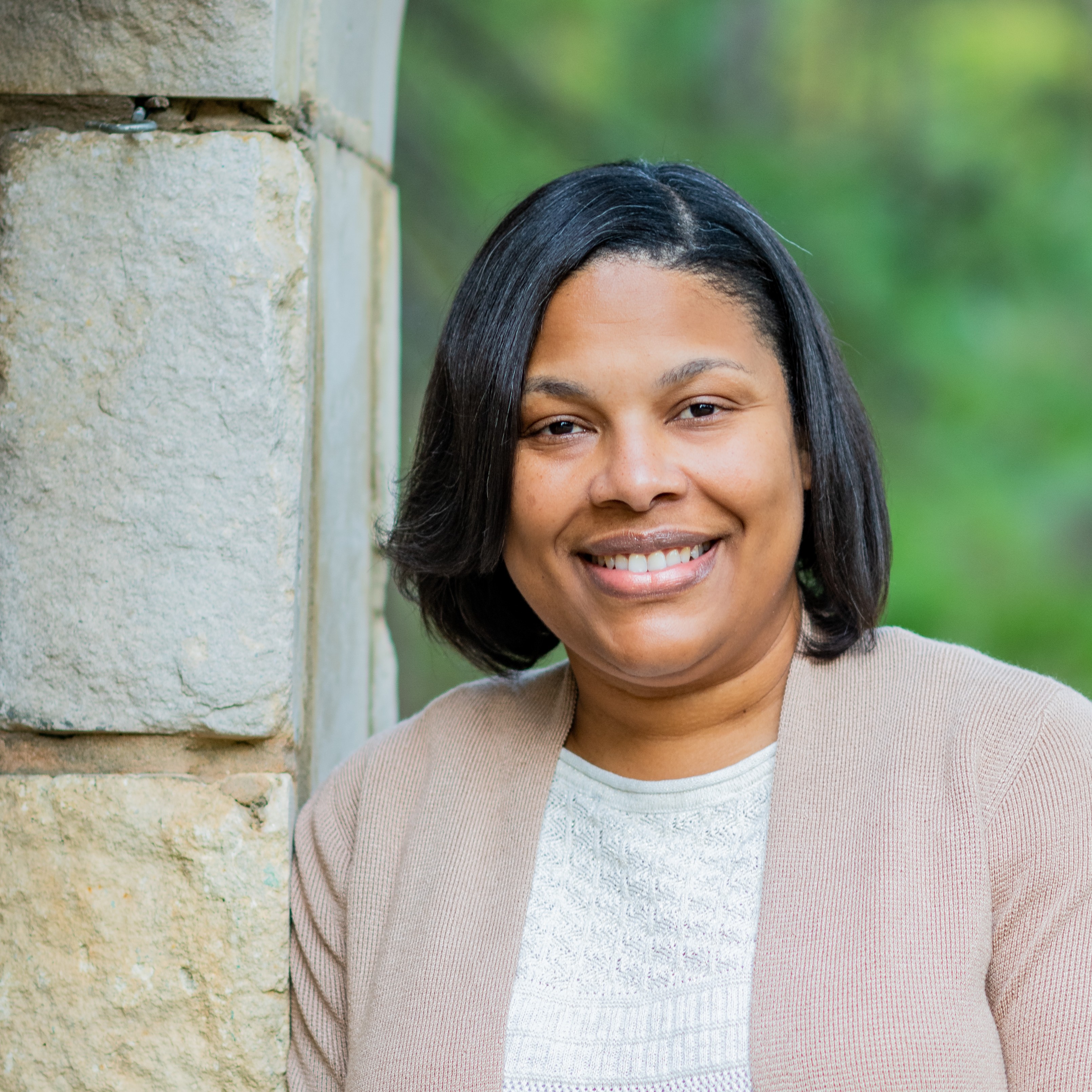
12:15PM - 1:30PM · HealthStack Seminar Room (Marriott)
This HealthStack Solutions Showcase will convene senior leaders across healthcare, technology, policy, and investment for a curated solutions showcase and executive feedback forum. This session will spotlight six sponsor-supported grantees, each presenting innovative approaches to addressing systemic health disparities in Black communities.
Times shown in Central · Houston, TX (UTC-6)
Subject to change. Final schedule will be confirmed by October 15.